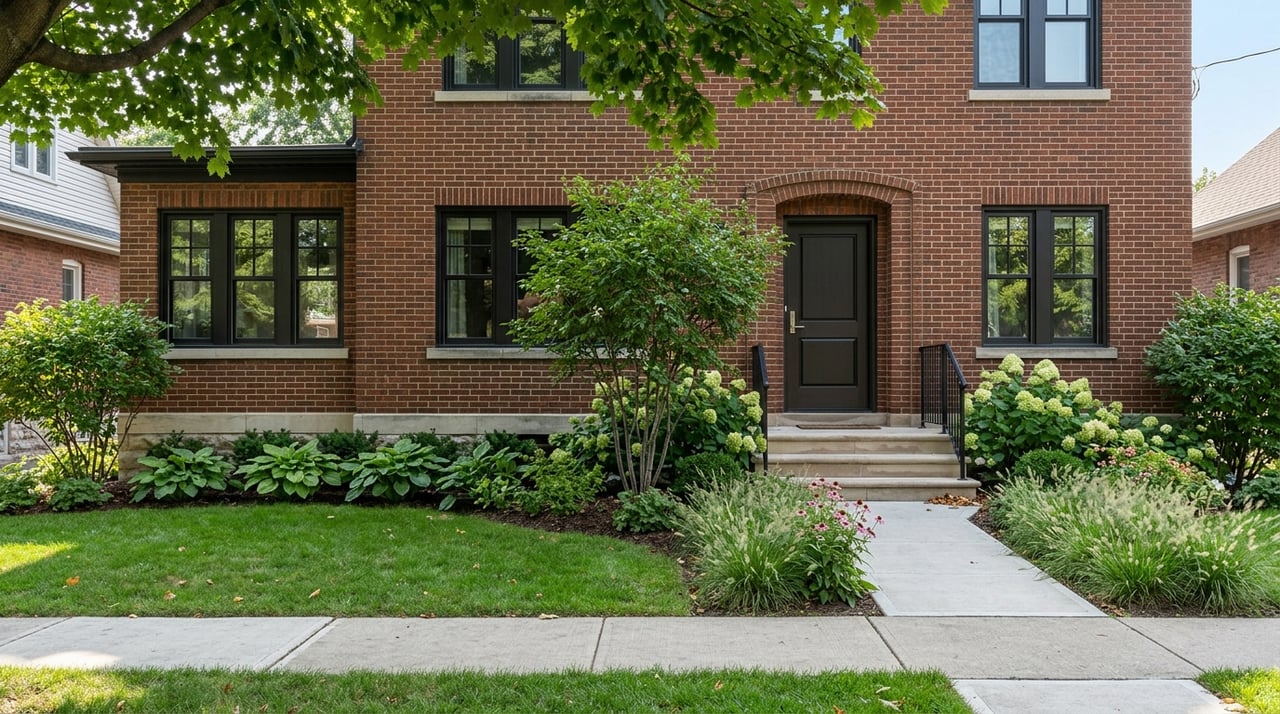
If you want a city that feels connected to the river, rooted in history, and easy to live in day to day, Saint Paul deserves a closer look. For many buyers and movers, the challenge is finding a place that offers character and convenience without losing its sense of neighborhood. Saint Paul stands out because it blends historic streets, active commercial corridors, riverfront parks, and practical transit connections in one city. If you are wondering what everyday life here really feels like, this guide will walk you through it. Let’s dive in.
Saint Paul Feels Like a City of Neighborhoods
Saint Paul describes itself as a city built from distinct neighborhoods, and that idea shows up in daily life. Instead of feeling uniform, different parts of the city carry their own historic, cultural, and ethnic identity. That gives you a more layered experience than you might expect from a single city.
For buyers, that matters because lifestyle fit often comes down to more than square footage. You may want access to local shops, older architecture, river views, or a stronger sense of place in your daily routine. In Saint Paul, those details are part of the city’s identity, not just an occasional feature.
Historic Character Is Part of Daily Living
One of the clearest things you notice in Saint Paul is how visible preservation is. The city’s historic district inventory includes places like Lowertown, Irvine Park, Summit Avenue West, and the Jacob Schmidt Brewing Company district. Those designations help preserve the buildings and streetscapes that give many areas their lasting character.
Saint Paul also highlights Summit Avenue as the longest preserved Victorian avenue in the country. That says a lot about the city’s built environment. In many neighborhoods, history is not tucked away in a museum setting. It is part of the walk to coffee, the drive home, and the look and feel of the block around you.
For many homebuyers, this creates a different kind of value. You are not only shopping for a home. You are also choosing a setting that can feel more established, more architecturally distinct, and more connected to the city’s past.
Home Prices Offer Urban-Core Access
If affordability is part of your decision, Saint Paul has an important advantage in the current snapshot from April 2026. Minnesota Realtors reported a median sales price of $310,000 in Saint Paul, compared with $350,000 in Minneapolis and $392,000 across the Twin Cities metro. That places Saint Paul in a more accessible part of the urban-core market.
For buyers, that can open the door to city living with historic character and central access at a lower median price point than nearby comparisons. Of course, pricing varies by property type, condition, and location within the city. Still, the broader citywide number helps explain why Saint Paul is often part of the conversation for buyers looking for value and lifestyle together.
Grand Avenue and Local Corridors Shape Daily Routine
Daily life in Saint Paul is not only about housing. It is also about where you run errands, meet friends, and spend a Saturday afternoon. Grand Avenue remains one of the city’s defining neighborhood commercial corridors, with city support focused on streetscape beautification, arts, business activations, and events.
That kind of investment matters because it supports a more walkable, lived-in feel. Instead of treating retail streets as simple pass-through areas, Saint Paul continues to reinforce them as community spaces. The result is a rhythm of everyday activity that feels local and consistent.
The city is also using similar corridor support on the Cesar Chavez corridor on the West Side. This reinforces the idea that neighborhood business districts are central to how Saint Paul works. For residents, that means local identity often shows up in practical, everyday places.
District del Sol Adds Cultural Energy
Saint Paul’s commercial life also reflects the city’s cultural depth. The city identifies District del Sol as the heart of Saint Paul’s Latino business and cultural community, anchored by longstanding businesses such as El Burrito Mercado. That adds a meaningful layer to everyday shopping and dining.
For residents, this is part of what makes Saint Paul feel personal rather than generic. You are not limited to a standard mix of chain stores and interchangeable blocks. The city’s cultural business districts help create routines that feel more connected to local history and community life.
Lowertown Works for More Than Special Occasions
Some districts look exciting from the outside but only function as event destinations. Lowertown is different because it supports everyday use as well. Mears Park hosts concerts, festivals, and community gatherings, while the downtown parks program highlights the Saint Paul Farmers’ Market at CHS Field.
That mix gives Lowertown regular energy beyond game days or major events. It can be part of your weekly routine, whether that means picking up produce, spending time outdoors, or meeting people downtown. For buyers who want an urban setting with daily usefulness, that is a meaningful distinction.
The Mississippi River Is Part of Real Life
In Saint Paul, the river is not just a backdrop. The city says it has more Mississippi River shoreline than any other city, and the Great River Passage links riverfront parks and trails into a 17-mile system. That makes the river a practical part of how the city is experienced.
For people considering a move, this matters because outdoor access is woven into the city rather than pushed to the edges. You do not have to leave Saint Paul to find long trail connections, open views, or places to reset after work. The river shapes the city’s geography and everyday rhythm in a very real way.
Parks Support an Active Lifestyle
Saint Paul’s outdoor life extends well beyond one riverfront trail. Harriet Island offers skyline views, open green space, picnics, concerts, and festivals. Hidden Falls supports birding, fishing, bicycling, and walking, along with both manicured and wilder landscape areas.
These are the kinds of places that make it easier to build outdoor time into normal life. You can head out for a walk, plan a weekend picnic, or enjoy a community event without needing a major outing. That convenience can be a big part of lifestyle fit, especially if you want city access without giving up green space.
The Saint Paul Grand Round adds even more connectivity. This 27-mile scenic parkway circles the city and connects the Mississippi River, Lake Phalen, Como Lake, and more than a dozen parks. If you enjoy biking, jogging, or exploring different parts of the city outdoors, Saint Paul is set up for it.
Arts and Culture Stay Close at Hand
Saint Paul also makes it easy to keep arts and culture in your regular routine. The city center and riverfront are anchored by institutions including the Ordway Center, Palace Theater, Fitzgerald Theater, Park Square Theater, History Theater, Minnesota Children’s Museum, Science Museum of Minnesota, Minnesota History Center, Minnesota Museum of American Art, and the Saint Paul Farmers’ Market.
What stands out here is the concentration. You are not relying on one venue or one seasonal attraction. There is a broad mix of performance, history, family activities, and public gathering spaces that supports both planned outings and spontaneous visits.
For many buyers, these amenities help define what city living actually means. It is not just about commute time or home style. It is also about how easy it is to enjoy your surroundings on an ordinary weeknight or weekend.
Getting Around Is Practical
A city can have great amenities and still be hard to navigate. Saint Paul offers some practical advantages here. Downtown’s skyway system spans 47 city blocks and five miles, connecting housing, offices, entertainment, and transit.
That makes downtown circulation more functional in day-to-day life. It is not simply a landmark feature. It serves as a useful part of moving through the city center.
Regional transit connections also strengthen Saint Paul’s appeal. Metro Transit says the METRO Green Line connects downtown Saint Paul and downtown Minneapolis, and the METRO Gold Line opened in March 2025 between downtown Saint Paul and Woodbury. If your routine involves cross-city travel, those connections can add real convenience.
Why Saint Paul Appeals to Many Buyers
When you step back, Saint Paul offers a combination that is not always easy to find. It is neighborhood-centered, historically layered, and supported by strong riverfront, park, arts, and transit assets. At the same time, the April 2026 median sales price places it below Minneapolis and the broader Twin Cities metro.
That mix can be especially appealing if you want to think carefully about both lifestyle and long-term value. You may be looking for a first home, a move-up opportunity, or a city base with more personality and day-to-day access to parks and culture. Saint Paul gives you a lot to compare.
If you are exploring Saint Paul, it helps to look beyond headline features and think about how you want your days to feel. The right fit may come down to whether you want river access, a historic streetscape, a neighborhood business corridor, or easier transit options built into your routine.
If you want help comparing Saint Paul neighborhoods, understanding local market options, or planning your next move in Minnesota or across the river into Wisconsin, Farida Karundeng is here to help.
FAQs
What is everyday life like in Saint Paul, Minnesota?
- Everyday life in Saint Paul often centers on distinct neighborhoods, local commercial corridors, riverfront parks, historic streets, and easy access to arts and cultural destinations.
Is Saint Paul more affordable than Minneapolis?
- Based on Minnesota Realtors’ April 2026 data, Saint Paul had a median sales price of $310,000 compared with $350,000 in Minneapolis.
What makes Saint Paul different from other Twin Cities areas?
- Saint Paul stands out for its strong neighborhood identity, preserved historic districts, extensive Mississippi River shoreline, connected park systems, and layered cultural and commercial areas.
Does Saint Paul have good outdoor access?
- Yes. The city includes the 17-mile Great River Passage, the 27-mile Saint Paul Grand Round, and parks such as Harriet Island and Hidden Falls for walking, biking, and recreation.
Is Saint Paul a good fit for transit-oriented living?
- Saint Paul offers practical transit connections through the METRO Green Line to Minneapolis, the METRO Gold Line to Woodbury, and a downtown skyway system that connects major parts of the city center.